


In today’s tech landscape, it’s rare to see a video that blends a quick product spotlight with a deeper look at the operating system wars that shape our daily workflows. The latest Linus Tech Tips episode does exactly that — kicking off with a shout‑out to Vessi’s Weekend Neo shoes, highlighting the LTT Store’s latest deals, and then pivoting to a candid discussion about why Windows still dominates the desktop world even as Linux and macOS continue to close the gap.
Vessi Weekend Neo: Everyday Footwear for the Modern Tech Enthusiast
The video opens with a quick plug for Vessi’s Weekend Neo — marketed as a waterproof, lightweight sneaker built for daily wear and travel. Linus points out the practical perks: free shipping, a 30‑day return window, and a one‑year warranty. For anyone who spends long hours at a desk or hopping between coffee shops and co‑working spaces, the shoe promises comfort without sacrificing style.
To sweeten the deal, viewers can grab 15 % off their first pair using the link provided in the description.
LTT Store Offers and Supporter Plus
After the shoe segment, the focus shifts to the LTT Store. The current promotion offers free shipping on orders that meet a minimum spend:
- US and Canada: $150 minimum
- Worldwide: $225 minimum
Signing up for the Supporter Plus tier on Floatplane unlocks additional perks, including early access to videos and exclusive behind‑the‑scenes content.
Windows Still on Top — But Is Its Reign Fragile?
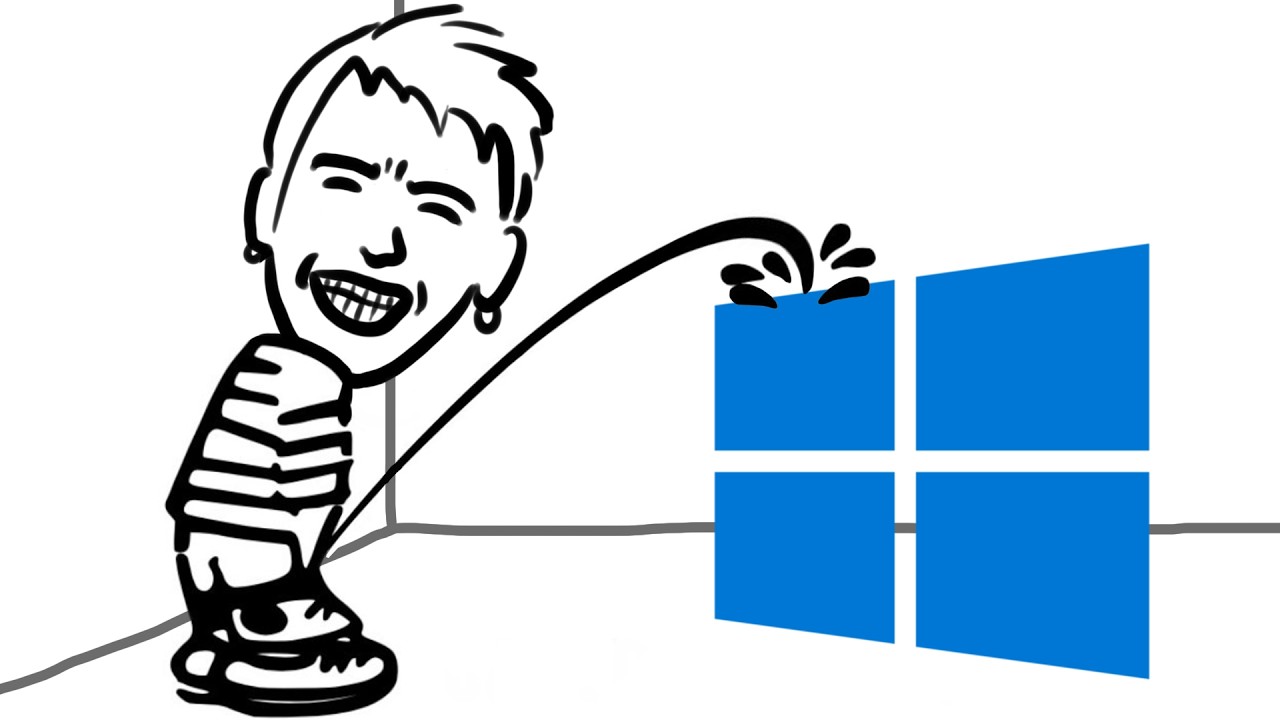
The core of the episode tackles a question that’s been circulating in tech circles for years: How does Windows maintain its market share when Linux and macOS have become so polished? Linus admits he doesn’t want to see Windows lose; he wants healthy competition that pushes everyone forward.
He breaks down the conversation into several observable trends:
- Gamers – Many still rely on Windows for the biggest library of titles and the best driver support.
- Prebuilt Systems – OEMs continue to ship Windows‑licensed machines at scale, reinforcing the status quo.
- Apple’s Push – Recent macOS updates have tightened integration with hardware, attracting creative professionals.
- Framework and Xbox – Projects like Framework’s modular laptops and Xbox’s full‑screen mode hint at a more flexible future.
Signs of Change: Gamers, Creators, and the Rise of Alternatives
Despite Windows’ entrenched position, the video highlights a few cracks worth watching:
- Gaming on Linux has improved dramatically thanks to Proton and native ports, reducing the “Windows‑only” barrier.
- Creator workflows are increasingly cross‑platform, with tools like DaVinci Resolve and Blender performing well on Linux.
- Enterprise interest in containerized and cloud‑native environments is nudging some organizations toward Linux‑based stacks.
“Just because Windows is on top doesn’t mean it will stay there forever.”
What This Means for the Future of Desktop OS
Linus wraps up by urging viewers to keep an eye on the evolving landscape. He notes that while Windows users today still want change — whether it’s better privacy controls, smoother updates, or more openness — the ecosystem’s inertia is strong. The real test will be whether alternative platforms can consistently deliver the reliability and software compatibility that millions rely on.
Join the Conversation
If you have thoughts on Windows’ staying power or the potential for a Linux‑powered desktop takeover, head over to the forum thread linked in the description. It’s a place to share experiences, ask questions, and see where the community stands.
Supporting Partners and Sponsors
The episode is made possible by the following partners:
- Secretlab – Grab a TITAN Evo ergonomic gaming chair.
- PIA – Get the VPN of our choice.
- dbrand – Buy a “Circuit” series skin for your device.
For more LTT gear, exclusive Floatplane content, and deep dives on the LTT Labs website, check out the links below.
Purchases made through some store links may provide compensation to Linus Media Group. Affiliate links are powered in part by ShareASale.
Linus Sebastian is an investor in Framework Computer, Inc and HexOS by Eshtek.