



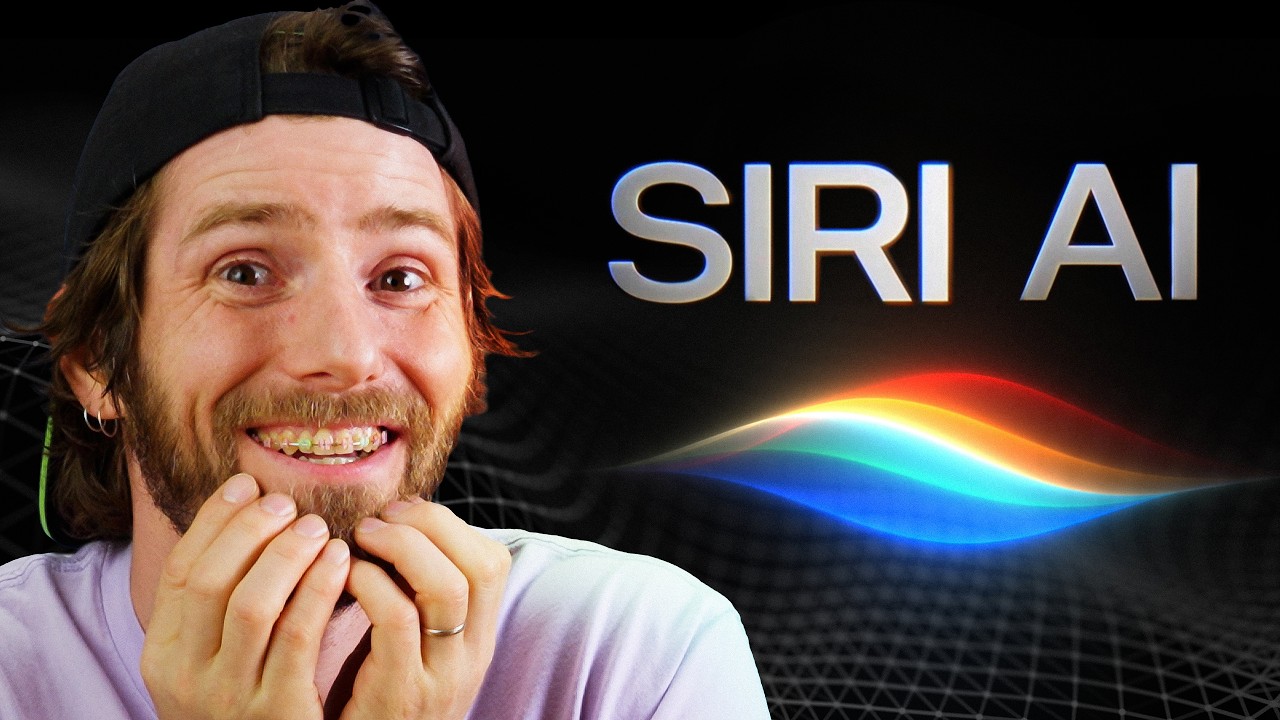
When Apple finally unveiled its AI strategy at WWDC ’26, the tech world took notice. After a period where competitors seemed to be moving faster with generative models, Apple’s late entry felt like a deliberate pause rather than a misstep. The keynote packed a range of updates—from refined AirPods EQ settings to new parental‑control tools—but the spotlight undeniably fell on Siri’s AI overhaul.
Platform Improvements Across the Ecosystem
Apple used the conference to tighten the integration between its hardware and software. AirPods received a customizable EQ that adapts to listening environments, while macOS and iOS gained subtle design tweaks aimed at improving accessibility. These changes set the stage for the more ambitious AI features that followed.
Trust, Safety, and Protecting Younger Users
Before diving into the flashy demos, Apple reiterated its commitment to privacy and safety. New parental‑control layers give guardians finer‑grained oversight of app usage and content exposure. The company emphasized that any AI functionality would be built on the same on‑device processing principles that have long been a cornerstone of its privacy stance.
Siri’s AI: From Assistant to Proactive Partner
The centerpiece of the presentation was a reimagined Siri, now powered by a large‑language model that runs primarily on the device. Apple demonstrated several scenarios where Siri anticipates user needs:
- Reminding you to purchase concert tickets when your calendar shows a free evening.
- Suggesting holiday itineraries based on past travel preferences and current weather forecasts.
- Drafting quick replies to messages by analyzing tone and context.
If these capabilities deliver as promised, the rest of the industry may find itself playing catch‑up for a while.
Live Demos Showcasing Real‑World Utility
The on‑stage demos were more than polished videos; they were live interactions that highlighted Siri’s newfound fluency.
A More Natural Voice
Siri’s voice received a noticeable upgrade—smoother intonation, better pacing, and a touch of personality that makes conversations feel less robotic.
Comparing Documents and Texts
One demo showed Siri pulling up two PDF contracts, highlighting clause differences, and summarizing the key changes in plain language—a feature that could streamline legal and business workflows.
Vision OS and Visual Intelligence
Apple’s Vision OS received a boost from the same AI engine, enabling real‑time object recognition and contextual overlays. Point your iPhone at a plant, and Siri can identify the species and offer care tips; scan a restaurant menu, and it can suggest dishes based on dietary restrictions.
Siri × Apps: A New Era of Integration
Developers now have access to an expanded SiriKit that lets them expose app‑specific intents to the AI assistant. This means you could ask Siri to start a workout in your favorite fitness app, order a coffee from a preferred chain, or add a song to a collaborative playlist—all without opening the apps themselves.
Images and Creative Assistance
On the creative side, Siri can generate simple image edits—adjusting lighting, applying filters, or even creating quick sketches based on verbal descriptions. While not a full‑blown generative art suite, these tools aim to make everyday photo tweaks faster and more intuitive.
Privacy Remained Front‑and‑Center
Throughout the presentation, Apple stressed that the new AI features rely heavily on on‑device processing. Data that does leave the device is encrypted and anonymized, reinforcing the company’s long‑standing promise that personal information stays personal.
“Apple’s approach isn’t about chasing the biggest model; it’s about weaving intelligence into the fabric of daily life while keeping user trust intact.”
When Can You Try It?
The developer betas for iOS 18, iPadOS 18, macOS 15, and Vision OS 2 are already available, with a public rollout slated for the fall. Early adopters will be able to test the new Siri capabilities on the latest iPhone and iPad models, as well as on Macs equipped with Apple’s M‑series chips.
Final Thoughts
Apple’s late entry into the AI arena may have felt risky, but the WWDC ’26 showcase suggests the wait was strategic. By focusing on on‑device intelligence, deep app integration, and a steadfast commitment to privacy, the company has positioned its AI not as a flashy gimmick but as a practical extension of its existing ecosystem. If the promised features hold up in real‑world use, competitors could indeed be scrambling to keep pace.