

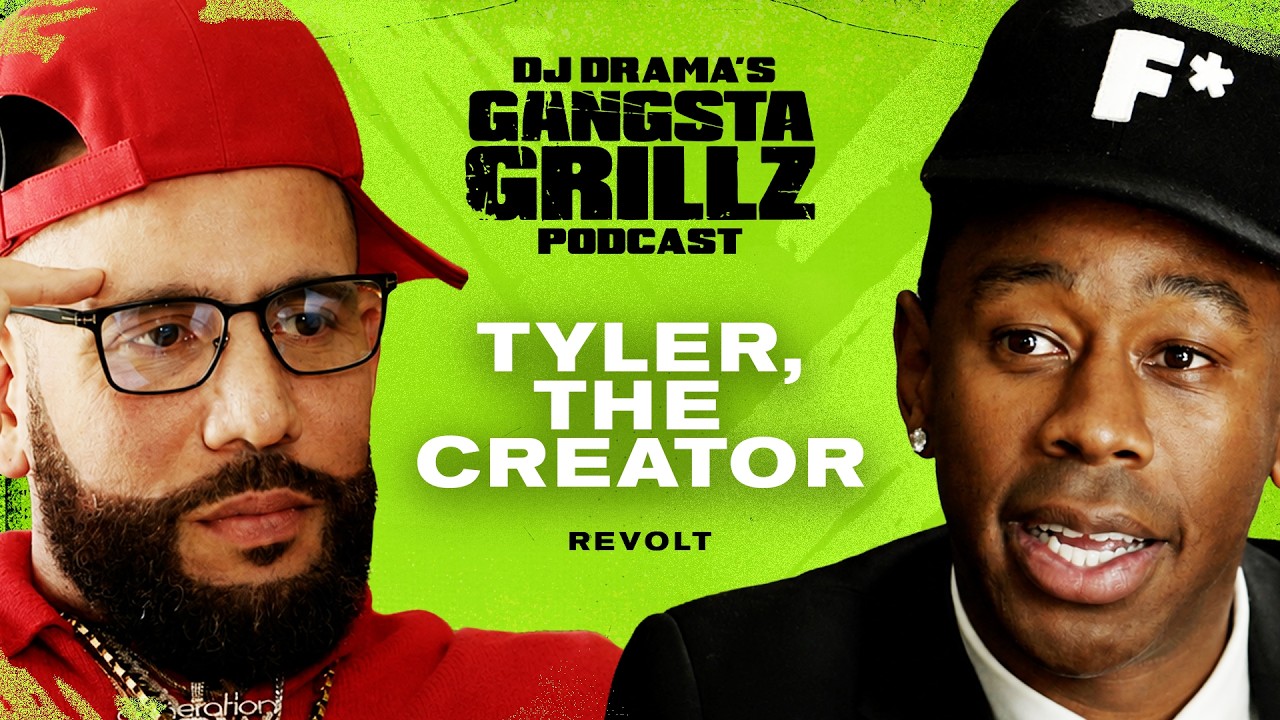
In a candid conversation with DJ Drama for the Gangsta Grillz Audible Original, Tyler, The Creator opened up about the roots of his sound, the making of Call Me If You Get Lost, and why he continues to chart his own path in music and fashion. The interview touches on everything from his Hawthorne upbringing to the early mixtapes that shaped his aesthetic, and it offers a rare glimpse into the mindset of an artist who refuses to be boxed in by industry expectations.
Tyler, The Creator Reflects on the Mixtape Era
Growing up in Hawthorne, California, Tyler was immersed in the Southern rap mixtape circuit long before he ever stepped into a major‑label studio. He credits Pharrell’s genre‑bending productions, Lil Wayne’s relentless flow, and the gritty storytelling of Gangsta Grillz tapes as the foundation of his musical identity. Those early exposures taught him how to blend melody with bravado—a lesson that would later surface on tracks like “Lumberjack” and “Sir Baudelaire.”
From Hawthorne to the Studio
Tyler recalls sneaking mixtapes from local swap meets and burning them onto CDs for friends, a DIY ethos that still informs his approach to album rollouts. He explains that the tactile nature of those tapes—hand‑drawn covers, shouted ad‑libs, and the unmistakable voice of DJ Drama—instilled a respect for the album as a curated experience rather than a collection of singles.
Turning Down a Jay‑Z Deal
When a young Tyler was courted by Roc‑Nation, he opted to stay independent. He says the decision wasn’t about rejecting a big name; it was about preserving creative control. “I wanted to make sure the first thing people heard from me was exactly what I envisioned, not a version filtered through someone else’s agenda,” he notes. That early stance paved the way for the unconventional rollout of Igor and later, Call Me If You Get Lost.
How Call Me If You Get Lost Took Shape
The album began as a series of voice memos and demo beats Tyler recorded while touring. He deliberately placed DJ Drama’s signature tag throughout the tracks before the two ever met in person, treating the shout‑outs as a narrative device that ties the project to the mixtape tradition he admires. When the collaboration finally materialized, the chemistry was instantaneous—Drama’s ad‑libs became the glue that held the sprawling, cinematic story together.
Drama’s Voice on the Album
Tyler describes hearing Drama’s voice on a track as “like a compass pointing back to the mixtape era.” By weaving the tag into songs such as “Hot Wind Blows” and “Wilshire,” he created a continuous dialogue between past and present, reminding listeners that the album is, at its core, a modern mixtape.
Influences: Pharrell, Wayne, Missy Elliott, Ludacris, Jermaine Dupri
Throughout the chat, Tyler name‑drops a pantheon of artists who shaped his sensibilities. He praises Missy Elliott’s futuristic visuals, Ludacris’s punch‑line prowess, and Jermaine Dupri’s knack for crafting hits that feel both personal and universal. According to Tyler, the current conversation often overlooks how these pioneers blended humor, fashion, and sonic experimentation—a blend he strives to emulate in his own work.
“I don’t care about top‑five lists. I just want to do my own thing and let the work speak for itself.” – Tyler, The Creator
Why Tyler Ignores Top‑Five Lists
When asked about rankings and accolades, Tyler shrugs off the notion that external validation defines his success. He argues that chasing list placements can dilute artistic intent, pulling focus away from the genuine connection he aims to forge with listeners. Instead, he measures progress by the willingness to experiment—whether that means dropping a surprise fashion line, directing a short film, or flipping a beat in a way no one expects.
In the end, the Gangsta Grillz interview serves as a reminder that Tyler, The Creator’s journey is less about checking boxes and more about honoring the influences that made him, while constantly pushing the culture forward.