


DMX vs. Jay-Z
DMX Jay-Z rivalry | East Coast rap 1990s 2000s | Ruff Ryders vs Roc-A-Fella | hip hop beef history | greatest rappers of all time | rap industry impact
Before we dive in — this story hits different when you see it in action. Watch the interview that sparked a thousand debates: Watch Now — DMX Interview
Two Kings. One Crown. No Compromises.
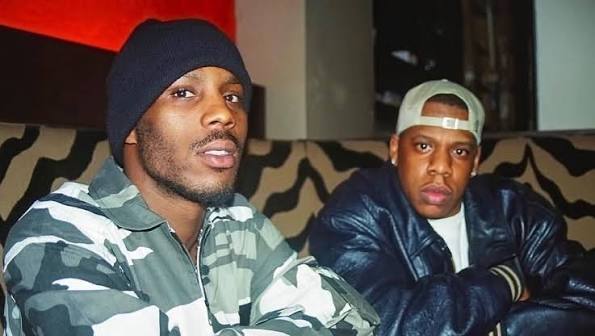
At the turn of the millennium, hip hop didn’t have a diversity problem — it had a dominance problem. Two artists from New York were consuming so much oxygen in the rap atmosphere that everyone else was just waiting for their turn. DMX and Jay-Z didn’t just compete with the industry. They competed with each other, and that friction produced some of the most electric music the genre has ever seen.
Their rivalry wasn’t manufactured beef for album sales. It was the natural result of two elite talents colliding at exactly the same moment in history — both hungry, both from the streets, both absolutely certain they were the best in the room.
The Numbers Game Nobody Else Could Play
In 1998, DMX did something that had never been done before: he released two albums in the same calendar year — It’s Dark and Hell Is Hot and Flesh of My Flesh, Blood of My Blood — and both debuted at number one. The rap game stopped and stared. Meanwhile, Jay-Z was mid-run on one of the most consistent commercial streaks in hip hop history, stacking platinum plaques with the quiet confidence of someone who already knew how the story ended.
The scoreboard between them reads like a fantasy sports nightmare for anyone trying to pick a winner. DMX moved units with a rawness that felt almost confrontational — his music wasn’t asking for your attention, it was taking it. Jay-Z, by contrast, was surgical. Calculated. Every bar a business decision wrapped in a punchline.
Where X brought spiritual warfare and street theology, Hov brought corporate chess and lyrical precision. Together, they represented the full emotional spectrum of what rap could be.
Street King vs. Empire Builder
DMX’s impact on rap culture runs deeper than charts. He gave voice to a specific kind of pain — urgent, unfiltered, and impossible to ignore. Songs like Ruff Ryders’ Anthem became anthems in the truest sense: they belonged to entire neighborhoods before they belonged to radio. His relationship with Ruff Ryders built a movement that proved loyalty and street credibility could coexist with mainstream success.
Jay-Z was building something different. Roc-A-Fella Records wasn’t just a label — it was a blueprint for Black entrepreneurship in the music industry. Every album was a step toward an empire that would eventually stretch from music into fashion, sports, and beyond. Where DMX made you feel something, Jay-Z made you think about something.
The genius of their rivalry is that it never required a loser. The rap ecosystem expanded because of them, not despite them.
The Legacy No Chart Can Capture
DMX passed in April 2021, and the outpouring that followed made clear what the numbers had always suggested: he wasn’t just a rapper. He was a feeling. Jay-Z continues building, his legacy now inseparable from the culture he helped reshape.
Together, they represent a moment in hip hop that won’t be replicated — two wrecking balls swinging at the same wall from opposite directions, and somehow making the whole structure stronger.
The full story goes even deeper than this. Watch the interview yourself and see how these two legends talk about each other, the game, and what it really meant to compete at that level: Watch Now — DMX Interview
Drop Your Take
Who moved the culture more — DMX or Jay-Z? Leave it in the comments, share this with someone who has an opinion, and don’t forget to subscribe for more deep dives into the stories that shaped hip hop.
Tags: DMX, Jay-Z, rap rivalry, hip hop history, Ruff Ryders, Roc-A-Fella Records, East Coast rap, 90s hip hop, 2000s rap, greatest rappers of all time, DMX legacy, Jay-Z empire, rap beef, hip hop culture, New York rap, DMX Jay-Z interview, rap industry impact, hip hop blog 2025, AIO hip hop content, SEO rap history