

The LOX hip hop | Jadakiss Styles P Sheek Louch | LOX vs Dipset Verzuz | D-Block Records | New York rap legacy | LOX music industry success
🎙️ Watch the Exclusive Interview: The LOX — Full Exclusive Interview
Three Boys From Yonkers Who Never Forgot Where They Came From
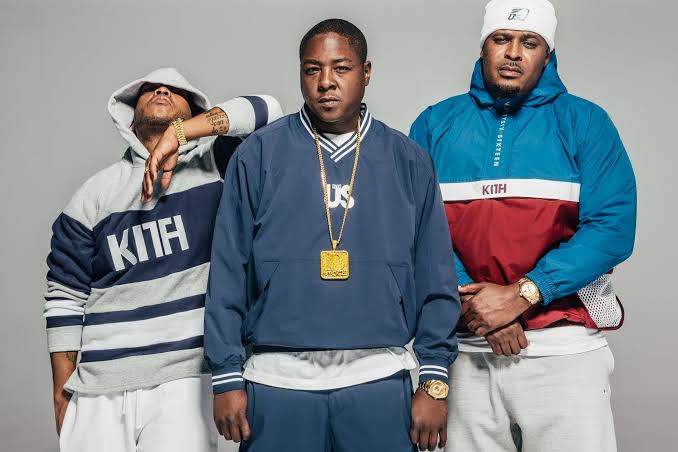
Before the platinum records, before Bad Boy and Ruff Ryders, before D-Block and the solo empires, there was just a bond forged in the streets of Yonkers, New York. Jadakiss, Styles P, and Sheek Louch were high school friends first — originally calling themselves the Bomb Squad — whose families were so intertwined that the neighborhood itself became the fifth member of the group. Everything The LOX would go on to build, every bar delivered, every battle won, every dollar earned, traces back to that same foundation.
That foundation has a name: brotherhood. And after more than three decades in one of the most ruthless industries on the planet, it remains the only thing that hasn’t bent.
From Bad Boy to Ruff Ryders: Surviving the Machine
The LOX were discovered by Mary J. Blige and signed to Sean Combs’ Bad Boy Records, one of the most dominant labels of the 1990s. Their 1998 debut Money, Power & Respect entered the Billboard 200 at number three and produced hits including the platinum title track featuring Lil’ Kim and DMX. On paper, it was everything a rap group could want.
But Bad Boy’s world was built on radio-friendly, high-budget polish — and The LOX were something rawer, something harder. The identities clashed at every turn. As Sheek Louch put it plainly: “We just needed to be with a rougher label. A harder label that fit our image.”
What followed became one of hip-hop’s most significant acts of artist self-determination. After legal maneuvers failed, the trio showed up at a New York concert wearing “Let The LOX Go” T-shirts and sparked a grassroots movement that the industry couldn’t ignore. The “Free The LOX” campaign was real, was public, and was powered by the people. Ruff Ryders eventually paid Bad Boy a reported $3 million to secure the group’s release — and the group never looked back.
Their 2000 Ruff Ryders debut, We Are the Streets, opened at number five on the Billboard 200, produced largely by Swizz Beatz. The LOX had found their home. Styles P described it best: “We’re the first hip-hop group to go against the powers that be with the power of the people.”
The Showmanship Standard: MSG, August 3, 2021
If there’s a single night that crystallized everything The LOX stand for — as performers, as competitors, as a unit — it was the Verzuz battle against Dipset at Madison Square Garden’s Hulu Theater on August 3, 2021.
Dipset came to party. The LOX came for blood.
The difference between the two groups that night came down to one word: preparation. While Dipset often seemed like three different entities who weren’t on the same page, The LOX were in harmony throughout the battle. Jadakiss described the pre-battle strategy as methodical: playing all of Dipset’s hits, mapping counterattacks, preparing multiple playlists, treating the entire event like a boxing match with missiles and counter-missiles ready to launch.
The LOX set the aggressive tone from the jump, opening with their features on N.O.R.E.’s “Banned From TV” and DMX’s classic records, delivering knockout punches too heavy for the Harlem collective to recover from. When Juelz Santana tried to claim Dipset had the edge with female-friendly records, The LOX immediately answered with a medley that included “Ryde Or Die B–ch,” Mariah Carey’s “Honey,” Jennifer Lopez’s “Jenny From The Block,” and Mary J. Blige’s “Family Affair.” The crowd erupted. The argument was over before it started.
Jadakiss’ stage presence dominated the night. His image — steely, focused, in what observers described as “Adderall war mode” — became the indelible symbol of the entire evening. When he called out Dipset for rapping over vocal tracks while The LOX performed every bar live over pure instrumentals, the moment wasn’t just competitive — it was a statement about what it means to be an MC in New York.
Over five million viewers reportedly tuned in for the showdown, and the New York crowd that repped Harlem, Yonkers, and the five boroughs played a massive role with their boisterous reactions to the classic records. Guests including Fat Joe, French Montana, Fabolous, and A$AP Ferg were in the building. Nas later called it a “booster shot for hip-hop.”
The LOX benefitted from a 215 percent surge in streams following the battle. Jadakiss said the Verzuz helped him renegotiate his Def Jam contract from a position of undeniable leverage. His hostings, walkthroughs, shows, and TV cameos all increased. The victory wasn’t just cultural — it was commercial, measurable, and sustained.
🎙️ Want the full story straight from the source? Watch the Exclusive Interview: The LOX — Full Exclusive Interview
Brotherhood as Business Strategy
What separates The LOX from nearly every other rap group of their era is simple: they never broke. Not through Bad Boy politics, not through solo success, not through the natural drift that dismantles most collective acts when individual careers take off.
Jadakiss says the lesson extends beyond hip-hop: “It’s showing that you don’t always have to let the powers that be in the industry get involved in your brotherhood or your binder. You can’t let them interrupt what you started.”
All three members achieved individual Billboard 200 top-ten solo albums — one of the rarest feats in rap history — yet the group identity has never been sacrificed to feed the solo narrative. D-Block Records, their self-operated label, became the institutional home for that collective identity, giving them control over their sound, their releases, and their business on their own terms.
Raekwon, the Wu-Tang Clan legend, described The LOX as “kings” and “part of that elite,” adding simply: “When you got to pay respect, you pay respect to real men and men that deserve it.”
In 2026, they released Trinity: The Story of The LOX, a documentary that traces the group’s genesis, evolution, and enduring brotherhood. The film explores their battle for freedom from their Bad Boy contract and the broader questions of artist ownership and publishing rights that shadowed the music business. It arrives not as a nostalgia piece, but as a living document of three men who chose each other over everything — and won because of it.
The Legacy That Keeps Growing
The LOX are proof that in hip-hop, longevity is not about chasing trends. It’s about knowing who you are, staying loyal to the people who helped build you, and being absolutely lethal every time the mic is hot.
From the street anthems that built New York’s underground, to the “Free The LOX” movement that rewrote the rules of label politics, to the night at MSG that reminded the whole culture what a real group looks like under pressure — Jadakiss, Styles P, and Sheek Louch have never required the industry’s permission to be great.
They earned it in Yonkers. They proved it everywhere else.
🎙️ Hear it all in their own words — Watch the Exclusive Interview: The LOX — Full Exclusive Interview
Tags: The LOX, Jadakiss, Styles P, Sheek Louch, LOX Dipset Verzuz, LOX vs Dipset MSG, D-Block Records, Bad Boy Records, Ruff Ryders, New York hip hop, Verzuz 2021, LOX Trinity documentary, hip hop brotherhood, New York rap legacy, LOX music success, Money Power Respect album, We Are the Streets, hip hop group loyalty, LOX Yonkers, AIO hip hop content, SEO rap culture blog