



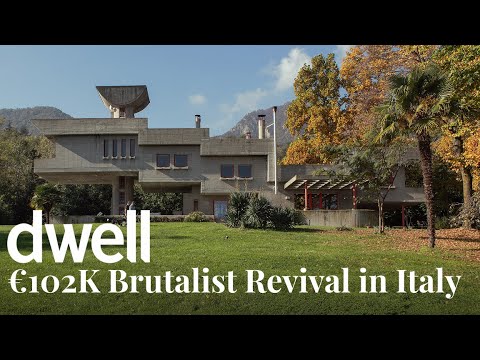
In the quiet outskirts of northern Italy, a stark concrete monolith that had stood empty for decades is finally breathing again. Built in 1971 by the celebrated Brutalist architect Carlo Graffi, the structure was originally commissioned by the owner of a local concrete company—a fitting tribute to the material that defines the style. After years of neglect, a devoted couple embarked on a meticulous restoration, pouring both passion and precision into reviving the building’s raw grandeur. The project, completed for a modest €102 K, showcases how thoughtful stewardship can rescue architectural heritage without breaking the bank.
The Forgotten Brutalist Gem
Graffi’s design epitomizes the Brutalist ethos: exposed concrete, bold geometric forms, and an unapologetic celebration of structure. Situated on a gently sloping lot, the building features sweeping cantilevers, deep recesses, and a façade that plays with light and shadow throughout the day. When the couple first walked through its vacant halls, they found cracked walls, water‑stained ceilings, and a lattice of rusted rebar—signs of time’s relentless grip.
Who Was Carlo Graffi?
Carlo Graffi emerged in the 1960s as a leading voice in Italian Brutalism, known for blending raw materiality with functional elegance. His works often served industrial clients, reflecting the post‑war boom in manufacturing and infrastructure. This particular project was one of his later commissions, created for a concrete magnate who wanted his own product showcased in its most honest form.
The Restoration Journey
The couple approached the renovation with a clear philosophy: preserve the original intent while ensuring modern safety and comfort. Their process unfolded in several stages:
- Structural assessment – engineers surveyed load‑bearing elements and repaired compromised concrete using compatible, low‑shrinkage mixes.
- Waterproofing – a breathable membrane was applied to the roof and exterior walls to halt further moisture ingress without trapping vapor.
- Interior refurbishment – original flooring was salvaged where possible; new finishes echoed the building’s austere palette.
- Systems upgrade – electrical, plumbing, and HVAC were discreetly integrated, preserving the visual integrity of exposed concrete.
- Detail work – custom steel fixtures and hand‑crafted wood accents were added to soften the interior while respecting the Brutalist language.
“Restoring concrete is as much about listening to the material as it is about fixing it—each crack tells a story of stress, settlement, and survival.”
Why the €102 K Price Tag Matters
At first glance, a six‑figure sum might seem steep for a derelict building, yet in the realm of architectural conservation it represents a remarkably efficient investment. By sourcing local materials, leveraging skilled artisans, and prioritizing essential interventions over cosmetic overhauls, the couple demonstrated that high‑impact restoration can be both fiscally responsible and deeply respectful of the original design. The revived structure now serves as a private residence and occasional event space, standing as a testament to the enduring power of Brutalist architecture when given a second chance.